
As Israel Expands Ground Assault in Lebanon, One Strategic Town Resists
Key Takeaways
- It has been reported that Israel has widened ground operations into southern Lebanon, and the hilltop town of Khiam has become a focal point of resistance.
- The town’s high-ground position, just miles north of the Israel-Lebanon border, has made it strategically important in repeated conflicts.
- Civilians face displacement, limited humanitarian access, and disrupted cross-border travel; these disruptions also affect consular services, visa processing and asylum routes.
- Immigrants, visa applicants and family petitioners should expect delays, potential evacuation orders, and constrained options for urgent travel or humanitarian protection.
Background and strategic importance
It has been reported that Khiam’s location on high ground, a few miles north of the Israel-Lebanon border, has made it coveted territory across multiple conflicts. High ground offers observation and tactical advantage; control of such positions shapes movement and military calculations along the frontier. The recent expansion of Israeli ground operations into southern Lebanon has focused attention on towns like Khiam, which residents and fighters reportedly contest. Military movements and the presence of armed actors in the area have made access unpredictable and dangerous.
Human impact and humanitarian response
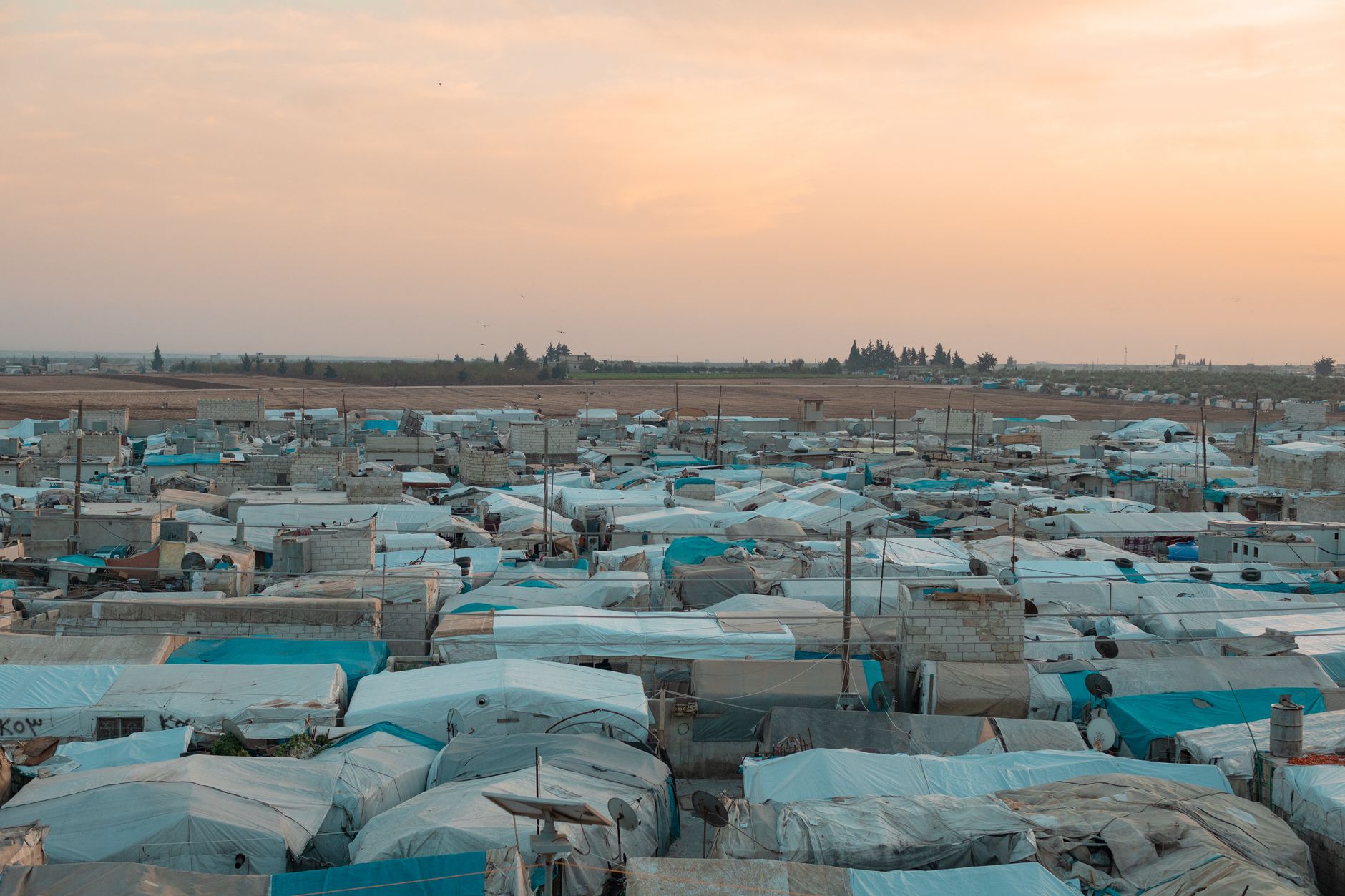
Civilians in and around Khiam are reported to be facing displacement and damage to infrastructure, with limited humanitarian corridors and constrained aid deliveries. UNHCR (the U.N. refugee agency) and other relief organizations typically coordinate emergency shelter and assistance, but security conditions often restrict their work. For ordinary people this means interrupted food, medical care and shelter; for migrants and cross-border workers it can mean being stranded or unable to return to jobs or families. It has been reported that some residents have fled south toward larger towns or across borders where possible.
What this means for immigrants, visa applicants and asylum seekers
Conflict-driven instability affects immigration processes in several practical ways. Consular operations and visa interviews in the region can be suspended or moved; the U.S. Department of State (DOS) and other foreign ministries routinely issue travel advisories and may close or limit consular services during escalations. For those seeking asylum, displacement can create immediate protection needs — asylum is a legal claim for people fearing persecution — while processes like family-based petitions, humanitarian parole, or Temporary Protected Status (TPS) (when offered by governments) may become more relevant or harder to access. USCIS (U.S. Citizenship and Immigration Services) and foreign visa authorities typically post guidance during crises; affected applicants should monitor official announcements, register with consular emergency services if abroad, and consult an immigration lawyer for case-specific options.
Source: Original Article