
Unexploded Munition Near Colombia‑Ecuador Border Sparks Diplomatic Clash
Key Takeaways
- It has been reported that photographers documented an unexploded munition in southern Colombia close to the Ecuadorian border, and that image set off a rapid diplomatic dispute between Bogotá and Quito.
- Presidents and officials from both countries allegedly traded accusations about responsibility and border security failures, escalating tensions.
- The incident threatens cooperation on border management, with immediate consequences for cross‑border travel, trade and humanitarian access.
- Migrants and asylum seekers who use informal border routes are particularly vulnerable: tighter controls, patrols or temporary closures can impede access to protection and humanitarian aid.
What happened
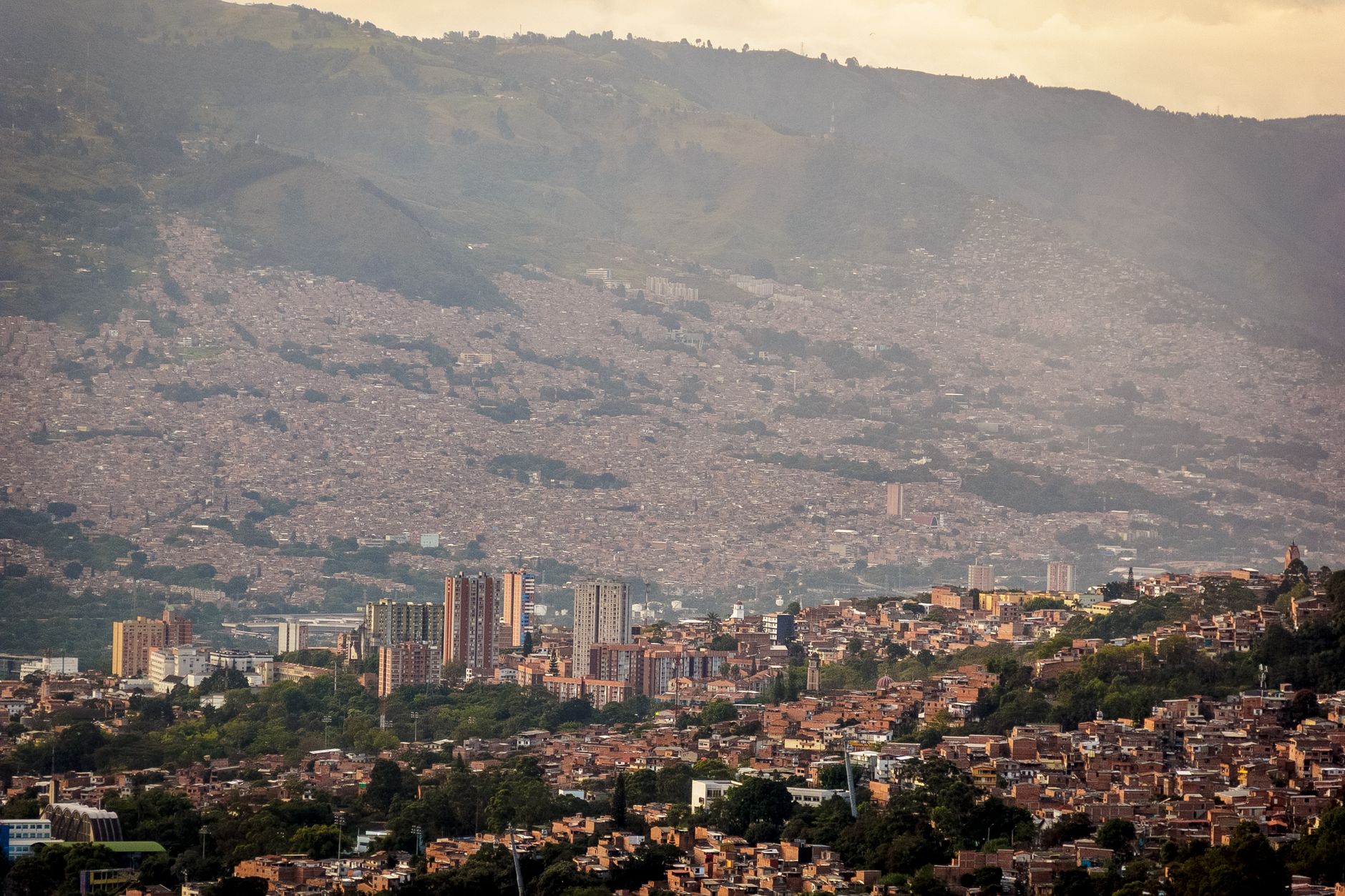
It has been reported that journalists photographed an unexploded munition in a field in southern Colombia near the border with Ecuador. The image — clear and unsettling — prompted high‑level exchanges between the Colombian and Ecuadorian governments and quickly became a focal point of a broader political confrontation. Officials in both capitals allegedly accused each other of failing to control armed groups and allowing dangerous ordnance to remain in civilian areas.
Diplomatic fallout and security cooperation
The diplomatic clash has immediate operational implications. Bogotá and Quito have shared border security and migration‑management efforts for years; those joint activities depend on ongoing information sharing and cross‑border patrols. Interruptions or a breakdown in cooperation could reduce surveillance and deconflict mechanisms, making the border more dangerous. "Deconfliction" refers to arrangements that prevent forces from different countries or groups from accidentally clashing; such mechanisms are fragile in contested frontier zones.
Human impact: migrants, local communities and asylum seekers
For people on the move and border communities, the effects can be swift. Informal border crossings — used by migrants, traders and indigenous communities — may be shut down or more heavily policed. That raises the risk that asylum seekers will be forced into more dangerous routes or prevented from presenting themselves to migration authorities to request protection. Under international norms such as the right to seek asylum and regional frameworks like the Cartagena Declaration, states are expected to provide access to asylum procedures; in practice, heightened security posture and political disputes often limit that access.
What this means now
If cooperation erodes, expect short‑term increases in interdictions, temporary checkpoints and delays in humanitarian convoys. Aid groups and lawyers representing migrants should monitor border notifications from Colombia’s and Ecuador’s migration agencies and be prepared to document access denials for asylum claims. For border residents, the immediate priorities are safety and clear channels for reporting unexploded ordnance to authorities — unexploded munitions pose a direct civilian hazard regardless of the diplomatic row.
Source: Original Article