
As Iran War Drags On, Europe Wants to Avoid a New Migration Crisis
Key Takeaways
- European leaders fear a renewed migration surge from the Middle East could revive the political gains of the far right seen after the 2015 crisis.
- It has been reported that Brussels and national capitals are quietly preparing contingency plans, from funding transit countries to tightening border controls.
- Turkey and neighboring states remain key pressure points for displacement; agreements with those countries could determine how many people reach Europe.
- For asylum-seekers and refugees, the immediate consequences are increased uncertainty, constrained legal pathways, and the risk of being used as bargaining chips in geopolitical deals.
Background: history repeating?
A decade after the 2015–2016 migration surge that shook European politics, leaders across the continent are watching the Iran war with growing alarm. That earlier influx — largely people fleeing Syria and other conflicts — helped fuel support for far-right parties that campaigned on stricter border controls and anti-immigrant policies. It has been reported that policymakers now want to avoid a repeat of that political upheaval by acting early, even as the humanitarian situation in and around Iran evolves.
What governments are doing
European capitals and Brussels are taking tentative, mostly preventive steps. Reports indicate a mix of measures: stepped-up diplomacy with transit and host countries (notably Turkey), contingency funding for border processing and camps, and discussions about fast-tracking returns or new bilateral migration pacts. Frontex — the European Border and Coast Guard Agency — and national police forces are likely to increase operational readiness. These are political and operational choices that balance humanitarian obligations under asylum law with domestic security and electoral concerns. Asylum is the legal protection for people fleeing persecution; in practice, large arrivals strain processing systems and slow access to status determinations and social support.
Human impact and what it means for migrants now
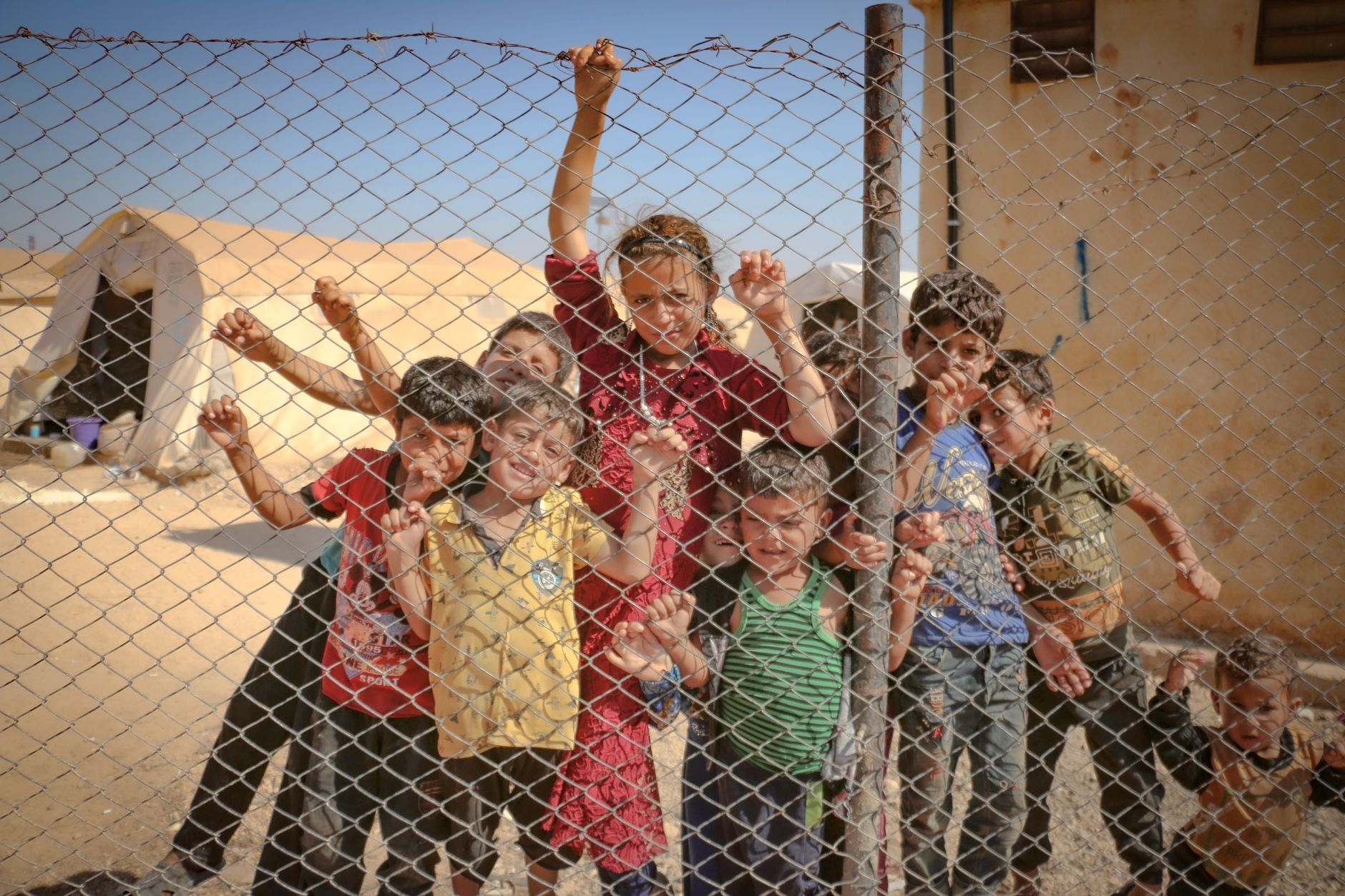
For people fleeing violence or repression in Iran or neighboring regions, the immediate picture is uncertainty. Legal routes such as asylum applications can be slow — with long processing times and limited reception capacity — and irregular routes remain dangerous. It has been reported that some governments prefer deals that keep people in neighboring countries rather than allowing onward movement to the EU, effectively limiting access to Europe’s asylum systems. That matters to individuals who may face detention, precarious living conditions, or prolonged limbo in transit states. For lawyers and advocates, the situation underscores the importance of legal advice, documentation, and advocacy for safe, regular pathways.
Source: Original Article