
Quiet Pacific Village Becomes China’s Security Testing Ground
Key Takeaways
- It has been reported that Chinese police deployed a surveillance system to a remote Solomon Islands village after residents asked for help with disorderly youth.
- The deployment prompted a local backlash over privacy, sovereignty, and the presence of foreign law enforcement.
- Human-rights and migration advocates warn such surveillance can affect asylum claims, refugee protection, and the safety of activists and journalists.
- The episode highlights broader geopolitical stakes in the Pacific and potential downstream effects on visa screening and mobility for Solomon Islanders and other Pacific migrants.
What happened
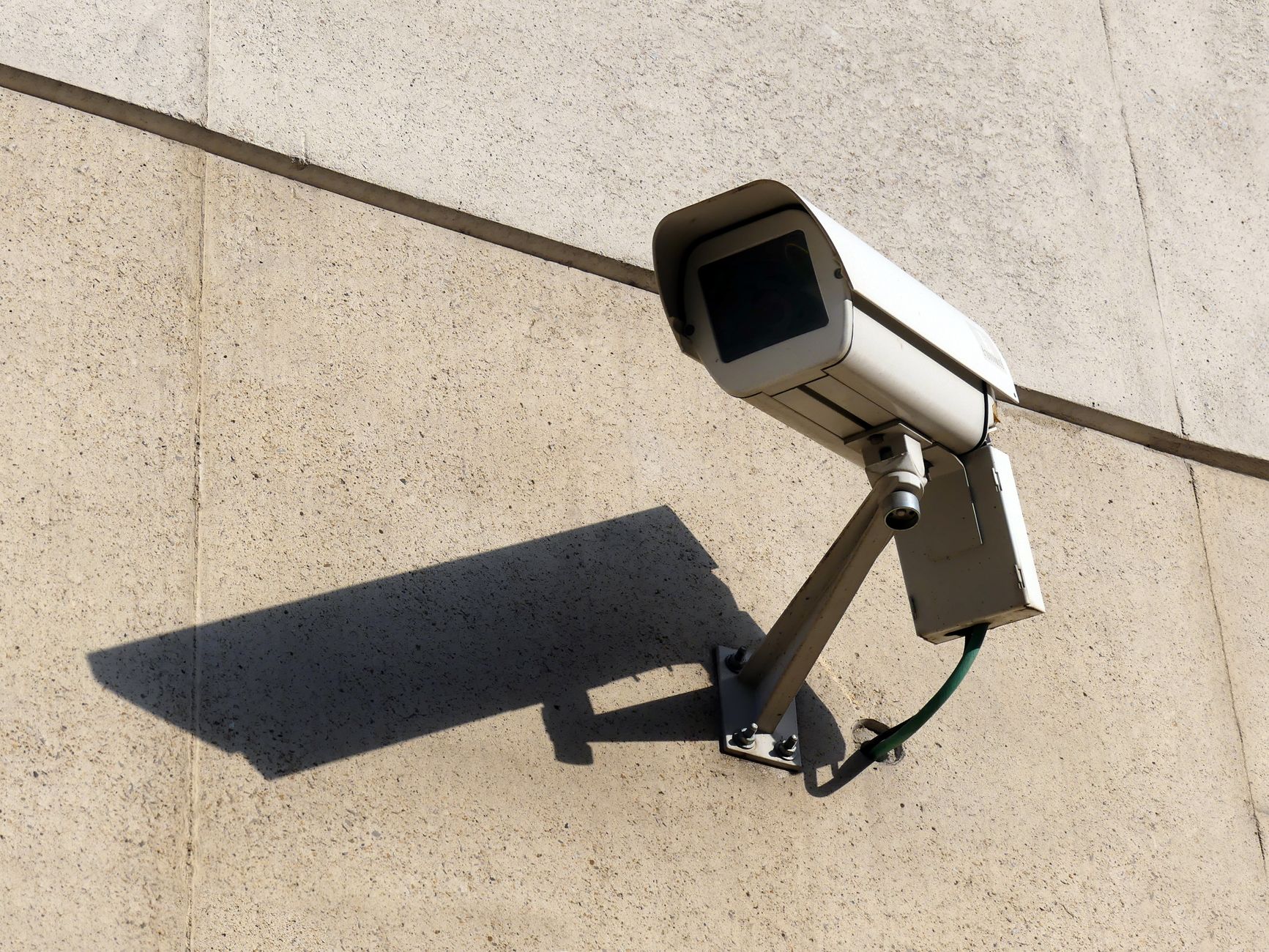
It has been reported that a remote village in the Solomon Islands invited outside help to deal with rowdy youth, and Chinese police subsequently arrived with a surveillance system. According to reporting, cameras and monitoring equipment were installed in public places, drawing immediate concern from neighbors and local leaders. Allegedly, the technology was more expansive than residents expected, sparking protests and a political backlash over the terms and oversight of the deployment.
Why it matters
Surveillance in small communities raises immediate privacy and sovereignty questions. Biometric data—information like facial images or fingerprints used to identify people—can be collected by modern systems; if shared across borders or retained without clear legal safeguards, it can expose vulnerable people. Asylum is the protection given by a country to someone fleeing persecution; evidence of state or foreign monitoring can both endanger would‑be claimants at home and alter the kinds of evidence adjudicators see when assessing refugee or protection claims abroad.
Immigration and regional implications
For migrants, activists, journalists, and others in the Pacific, intensified surveillance can change risk calculations about staying, speaking out, or attempting to migrate. Governments receiving Pacific Islanders—Australia, New Zealand, and others—may see pressure to tighten vetting or to create humanitarian pathways for those claiming persecution tied to foreign security operations. Refugee and visa adjudicators may also face new types of evidence and credibility issues stemming from digitally recorded interactions. More broadly, the episode underscores how security cooperation and foreign police deployments in Pacific states can have real, immediate effects on human mobility and rights.
Source: Original Article