
U.K. Police Investigate Claims Drones Targeted Israeli Embassy in London
Key Takeaways
- Metropolitan Police say the Israeli Embassy in London was not attacked, but officers are examining "discarded items" in nearby Kensington Gardens, which was cordoned off.
- It has been reported that drones allegedly flown near the embassy prompted a security response; investigations are ongoing and no injuries have been confirmed.
- The incident activates the U.K.'s duty to protect diplomatic missions under the Vienna Convention and could disrupt consular services such as passport renewals and emergency documents.
- Anyone with appointments at the embassy should check official channels before traveling; heightened security may cause delays for people relying on consular assistance.
What happened
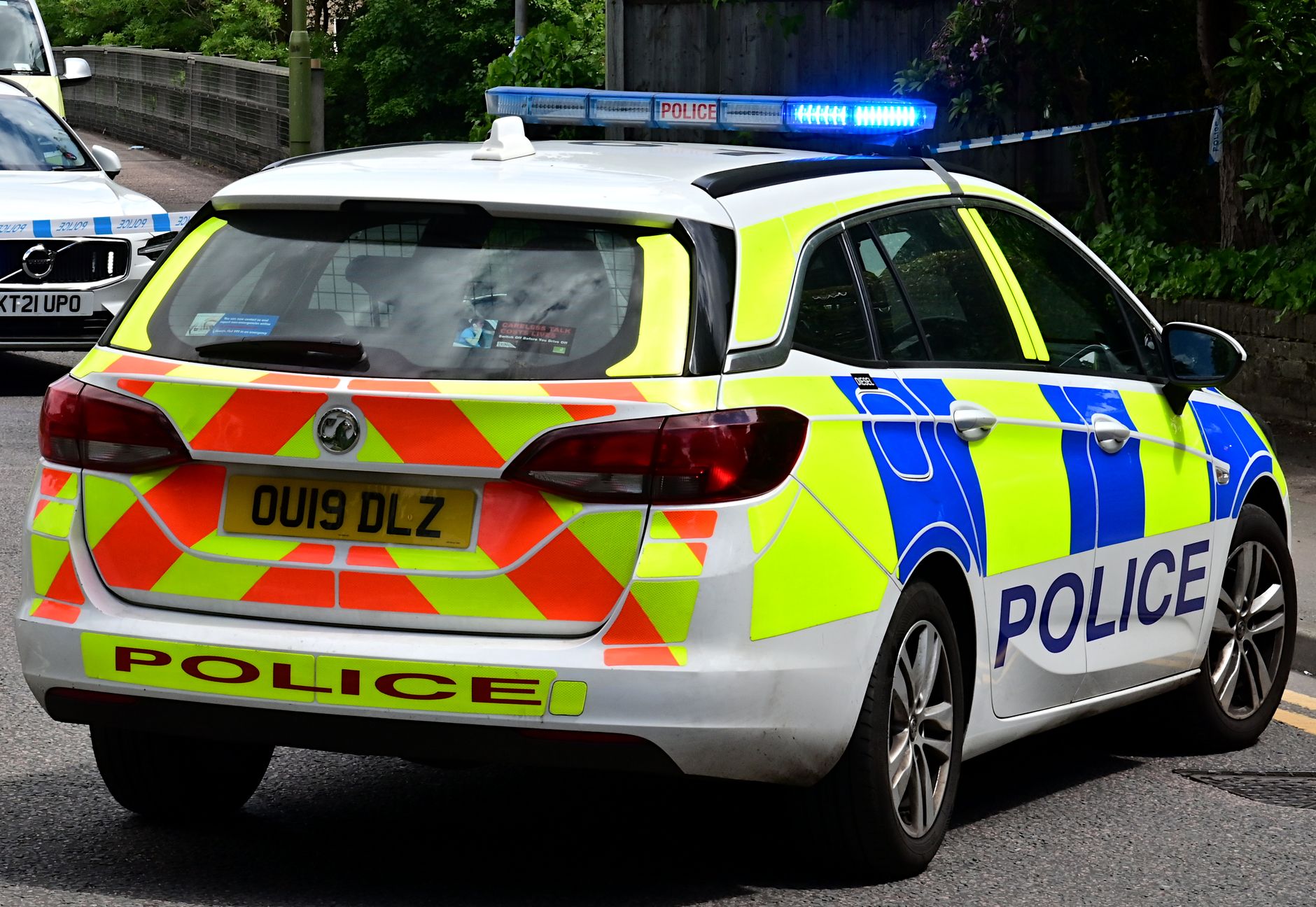
Metropolitan Police announced that the Israeli Embassy building in Kensington had not been attacked, and officers were assessing "discarded items" found in Kensington Gardens, which had been cordoned off for public safety. It has been reported that drones were flown in the vicinity and allegedly posed a threat to the diplomatic mission, prompting a rapid response from counterterror and local policing units. No injuries or confirmed damage were reported at the scene as authorities continue to investigate.
Legal and diplomatic context
Under the Vienna Convention on Diplomatic Relations, host countries are obliged to protect foreign diplomatic premises and personnel; in practice that means the Metropolitan Police and the Foreign, Commonwealth & Development Office (FCDO) coordinate security and any emergency response. Investigations into the use of drones near embassies often involve multiple agencies, including counterterrorism units and aviation regulators, because drones can present both criminal and safety risks. Allegations remain under investigation, and it has been reported that police are gathering evidence and reviewing video and electronic traces.
Impact on people and consular services
Even without a confirmed attack, such security incidents can disrupt consular operations. "Consular services" — passport renewals, emergency travel documents, notarial services and assistance to nationals — may be delayed or temporarily suspended while security checks are carried out. For people who had scheduled appointments, are seeking passports, or need urgent help (including Israelis in the U.K. or family members abroad), this means possible rescheduling and longer processing times at a time when many missions already face backlogs. Local residents and visitors should expect cordons, transport disruption nearby, and increased police checks.
What this means for someone going through the immigration process
If you have a pending consular appointment or a time-sensitive travel need, check the Israeli Embassy’s official website and the FCDO for alerts before going in person. If you are applying for visas that require consular interaction with the embassy (for example, obtaining Israeli travel documents), plan extra time and keep proof of any rescheduling. For lawyers and advocates, expect short-term evidence-gathering and potential delays in client service; for migrants and family members, heightened security may make immediate travel or documentation retrieval more difficult. Authorities advise following official channels for updates and avoiding the cordoned area while the inquiry continues.
Source: Original Article