
Nearly 700,000 Flee Israeli Strikes in Lebanon; U.S. Service Members Wounded, Raising Refugee and Consular Concerns
Key Takeaways
- It has been reported that nearly 700,000 people have fled parts of Lebanon after Israeli strikes, prompting warnings of a growing humanitarian crisis.
- The Pentagon said 140 American service members were wounded, eight severely, which complicates evacuation and consular priorities.
- Displacement will drive immediate asylum and refugee needs across the region and increase pressure on resettlement and visa systems.
- People affected should expect consular disruptions, longer processing times, and should preserve documentation and seek legal help where possible.
Overview
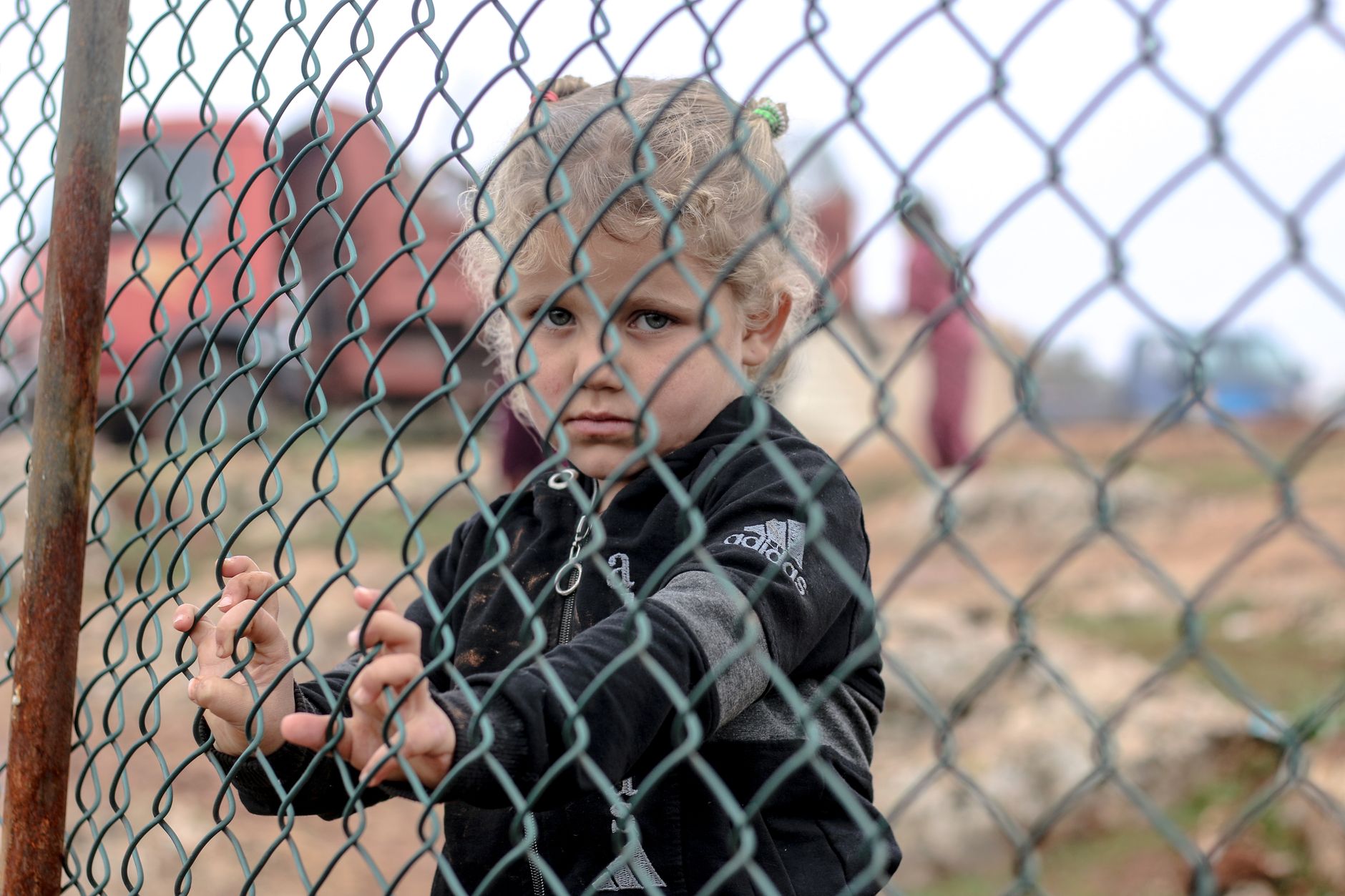
It has been reported that Israeli strikes targeting Hezbollah positions in Lebanon have displaced nearly 700,000 people, and Lebanese leaders and aid groups warned of a mounting humanitarian emergency. The Pentagon also said 140 American service members had been wounded, eight severely, a development that could affect U.S. evacuation operations and diplomatic focus. These battlefield developments are already producing large-scale movement of civilians, straining humanitarian corridors and nearby host communities.
Immigration and humanitarian implications
Mass displacement typically translates into a surge in asylum claims, requests for temporary protection, and pressure on refugee resettlement channels. Asylum is a form of protection requested by people already at or inside a country’s borders; refugee status is determined outside that country through programs like UNHCR-led processing and the U.S. Refugee Admissions Program (USRAP). Humanitarian parole (a discretionary, temporary U.S. entry option administered by USCIS — U.S. Citizenship and Immigration Services) and Temporary Protected Status (TPS) are other mechanisms that can be used in urgent crises, but they require government action and are limited in scope. Resettlement capacity is finite; long backlogs at USCIS and immigration courts already slow adjudications, so new flows will face delays.
Practical guidance for people on the move or with pending cases
Expect consular and immigration operations to be disrupted in conflict zones. Register with local UNHCR offices if possible, and if you are a U.S. citizen or lawful permanent resident, sign up for STEP (Smart Traveler Enrollment Program) with the State Department and contact the nearest embassy or consulate. Preserve identity and immigration documents, copies of petitions and receipts, and contact immigration counsel or NGOs that provide legal assistance — documentation matters for asylum, parole, and family-based petitions. CBP (Customs and Border Protection) and USCIS may adjust procedures in response to security conditions, so monitor official announcements.
What this means now
For people trying to immigrate, expect longer waits, possible expedited humanitarian interventions for the most vulnerable, but no guaranteed shortcuts. Policy changes such as TPS designations, special parole programs, or increased refugee quotas would come from executive or legislative action — watch official DHS and State Department statements. For lawyers and advocates, the immediate task is triage: document needs, file emergency requests where eligible, and prepare for a likely increase in regional asylum and protection caseloads.
Source: Original Article