
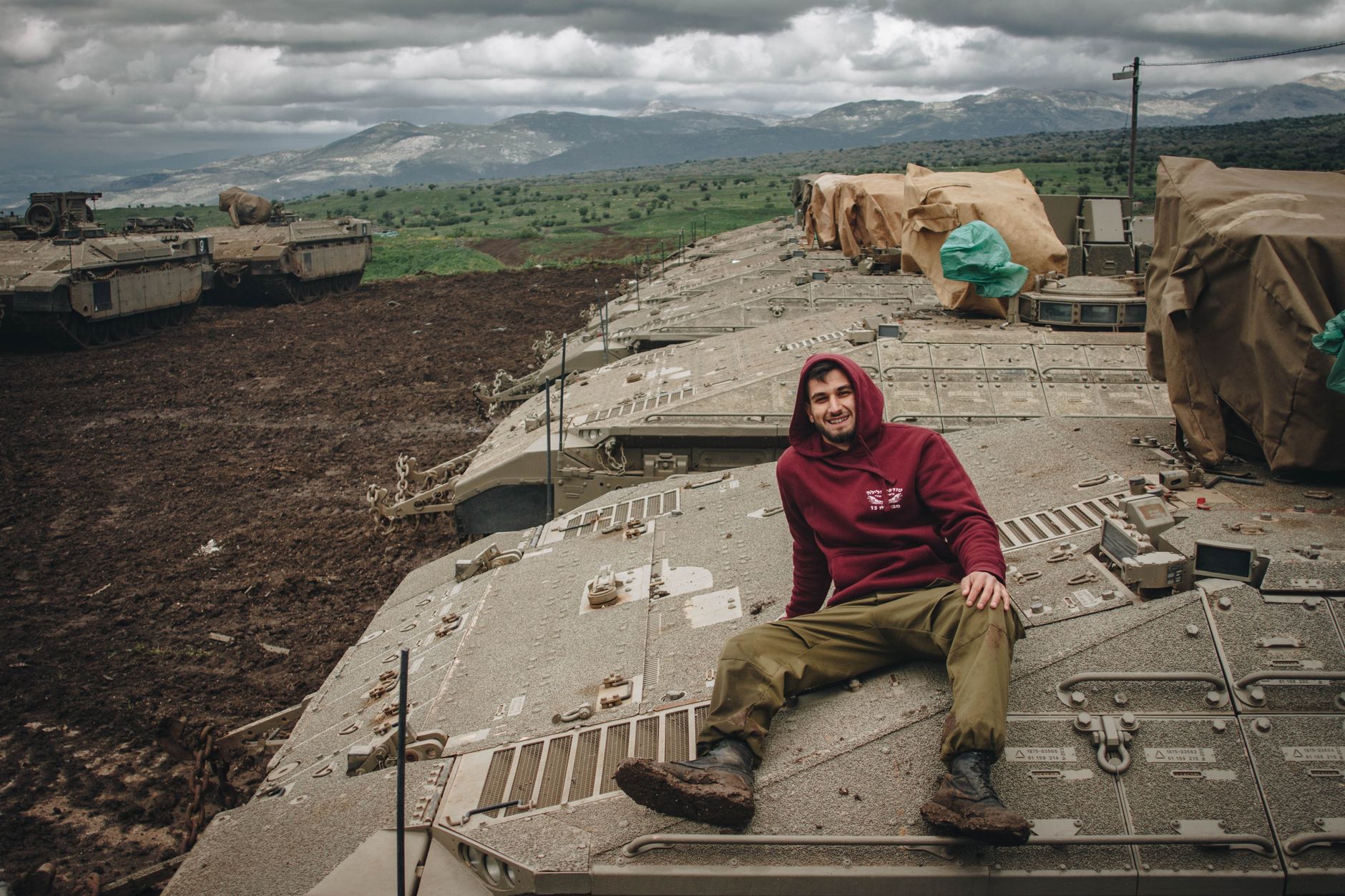
Israel Sends Extra Infantry Battalion to Lebanon’s Border
Key Takeaways
- Israel has deployed an additional infantry battalion to its northern border with Lebanon amid rising tensions; it has been reported that the move is intended to bolster defenses against Hezbollah.
- The deployment increases the risk of localized escalations that can produce civilian displacement on both sides of the frontier and complicate humanitarian access.
- Foreign nationals, aid workers, and visa applicants in northern Israel and southern Lebanon should expect possible disruptions to travel, consular services and visa processing.
- Those affected should register with their embassies, follow travel advisories, and be prepared for sudden changes to movement and shelter options; asylum and refugee claims may rise regionally.
What happened and why it matters
It has been reported that Israel moved an extra infantry battalion to its border with Lebanon to strengthen positions along the frontier after a period of heightened exchanges with Hezbollah. The additional troops are a defensive measure, officials say, but in a tense environment troop shifts can lead to miscalculations and localized fighting. For years the Israel–Lebanon border has been punctuated by periodic skirmishes; each escalation raises the possibility of civilian harm and displacement.
Humanitarian and immigration implications
Military buildups near borders often prompt evacuations and push civilians to seek safety across or away from the frontier. Lebanon already hosts large numbers of displaced people and refugees — including Syrians and Palestinians — and further instability could increase cross-border flows and strain humanitarian services. For foreign nationals in the area (students, temporary workers, aid staff), the practical effects are immediate: travel advisories, constrained border crossing hours, and possible temporary suspension or delay of consular services and visa interviews. It has been reported that humanitarian agencies are monitoring the situation; aid access can be disrupted by both security measures and damaged infrastructure.
What people should do now
If you are in northern Israel or southern Lebanon, register with your embassy or consulate and follow official travel advisories. Keep identity and immigration documents accessible, review evacuation plans, and communicate with employers or schools about contingency arrangements. For people considering asylum or displaced by renewed violence: asylum applications are governed by national procedures where protection is sought and by international agencies such as UNHCR (the U.N. refugee agency), which can assist with registration and referrals. For those with pending visa applications or interviews, expect possible delays and check consular websites for real-time updates.
Source: Original Article