
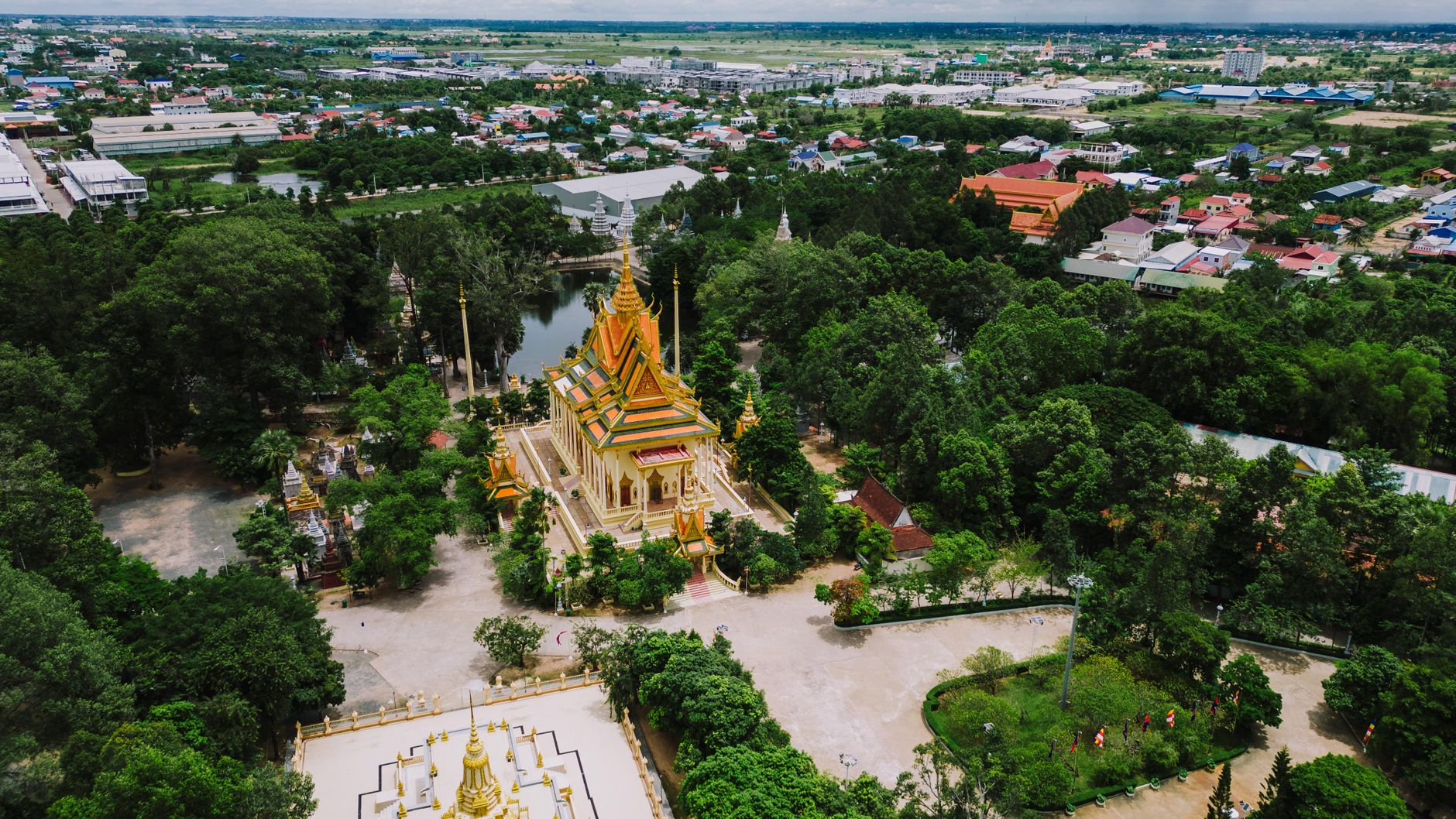
A Visit to a Temple at the Heart of the Thailand–Cambodia Conflict
Key Takeaways
- Preah Vihear, a Khmer temple on the Thailand–Cambodia border, bears visible scars from recent military clashes that have periodically flared for years.
- It has been reported that violence around the site has killed and displaced civilians and disrupted cross‑border movement and tourism.
- The conflict complicates migration, asylum claims, and consular services for people living or working near the border.
- Travelers, migrant workers, and asylum seekers should monitor travel advisories and contact consulates or the UNHCR (the U.N. refugee agency) for guidance.
Temple and Conflict: visible damage, bigger stakes
The ancient temple of Preah Vihear sits on a limestone escarpment that both Thailand and Cambodia claim as sovereign territory. A recent on‑site visit shows not only centuries‑old stones and carvings but also fresh damage — pockmarks, barricades and signs of military entrenchment — reminders that this is more than a heritage dispute. It has been reported that intermittent fighting over the hilltop has left the broader area unsafe at times, and the conflict has periodically drawn in troops and heavy weaponry from both sides.
Human impact and migration pressures
Beyond monuments and maps, the clashes affect people. Villagers, seasonal farmworkers and small traders who cross the border daily face disrupted livelihoods and safety risks. It has been reported that some residents fled their homes during recent spikes in violence. For those who seek protection, the difference between an internally displaced person and an asylum seeker matters legally: asylum seekers request protection from another country or from UNHCR, while internally displaced people remain under their own country's responsibility. UNHCR (the United Nations High Commissioner for Refugees) monitors such situations and can offer guidance, but eligibility for asylum depends on individual circumstances and international law.
What this means for migrants, travelers and visa applicants
Practically, the fighting can mean sudden border closures, stricter identity checks, and limited consular services — all of which complicate visas and work permits for cross‑border workers. Tourists and heritage workers may see permits revoked or access delayed. People considering relocation or claiming asylum should document threats and displacement, register with UNHCR if eligible, and check travel advisories from their embassy. For lawyers and caseworkers, expect delays in filings and difficulty conducting interviews or obtaining records from border communities when security is unstable.
Source: Original Article