
Senate funds most of DHS but excludes ICE and CBP in bid to end extreme airport delays
Key Takeaways
- The Senate unanimously approved a stopgap bill to fund the Department of Homeland Security (DHS) but deliberately excludes funding for ICE and CBP.
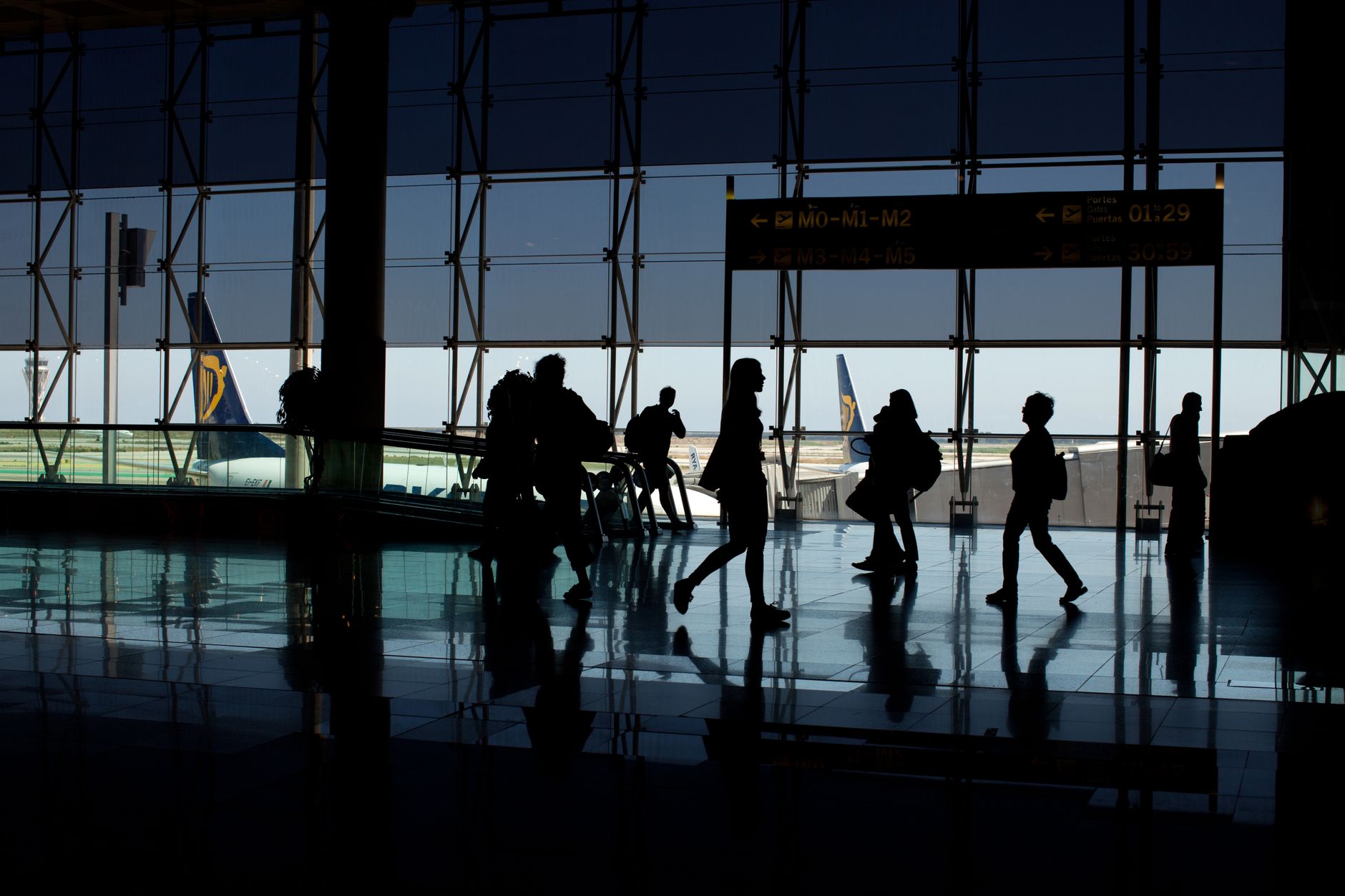
- The measure aims to get TSA (Transportation Security Administration) staff back on payroll to relieve severe airport lines after a 42-day lapse.
- Funding still must pass the House and reach the president’s desk; Republicans plan a separate, party-line bill to fund ICE and CBP.
- The split leaves uncertainty for immigration enforcement operations and raises questions for people facing deportation or awaiting border-related processing.
Senate vote and political context
It has been reported that the Senate approved the package by voice vote at about 2:20 a.m. after marathon negotiations. The bill would fund most DHS components — including TSA, the Coast Guard, FEMA (Federal Emergency Management Agency) and CISA (Cybersecurity and Infrastructure Security Agency) — while explicitly excluding funding for Immigration and Customs Enforcement (ICE) and Customs and Border Protection (CBP). Senate Democrats insisted on the exclusion unless major reforms to deportation and raid practices were included; Senate Majority and Minority leaders traded sharp public lines, and the chamber then recessed for two weeks, leaving the House to act.
What the bill does — and doesn’t — fund
DHS (Department of Homeland Security) is an umbrella agency that includes TSA, ICE, CBP and USCIS (U.S. Citizenship and Immigration Services). Funding TSA is intended to resolve the immediate staffing and pay problems that produced long security lines at airports nationwide after a 42-day lapse in appropriations. USCIS, which runs visa, green card and naturalization processing, is largely fee-funded and generally continued core services during the lapse, though applicants may still face indirect delays. ICE and CBP — the agencies that conduct deportations, immigration arrests and border enforcement — would remain unfunded under this measure, and Republicans say they will pursue those appropriations in a separate bill.
Human impact and what this means now
For travelers, the immediate effect could be a rapid easing of airport wait times if TSA workers are paid and return to full shifts. For immigrants and people in deportation proceedings, the picture is more fraught. Without appropriations, ICE and CBP operations may be limited or unpredictable; enforcement pauses can delay deportations and raids, but they also create uncertainty about when and how enforcement will resume if a later funding bill restores full budgets. Attorneys and applicants should watch the House for a vote and any separate Republican bill that would add conditions or funding back for ICE/CBP. In short: this fixes acute travel pain but leaves immigration enforcement and many border issues unresolved — a critical uncertainty for people currently in the immigration system.
Source: Original Article