
India’s Border Security Force Floats “Crocodile, Snake Corps” to Deter Cross‑Border Movement
Key Takeaways
- It has been reported that India’s Border Security Force (BSF) is exploring deploying snakes and crocodiles along riverine stretches of the India–Bangladesh border where fencing is impractical.
- The idea comes amid technical limits on a physical fence along a 4,097 km boundary; nearly 3,000 km of fence reportedly completed, but riverbanks and sandbars remain gaps.
- Experts and residents warn of severe human-safety, ecological and legal risks — including increased snakebite and human–wildlife conflict in densely populated border communities.
- The proposal could inflame bilateral tensions with Bangladesh (Bangladesh Border Guard, BGB) and complicate already fraught border-management dynamics.
What has been reported
It has been reported that the BSF — India’s Border Security Force, the primary agency guarding India’s frontiers with Bangladesh and Pakistan — is considering a highly controversial idea: creating a “biological barrier” by introducing or concentrating aggressive reptiles such as snakes and crocodiles along riverine border gaps. According to reporting that cites an internal BSF communication dated March 26, frontline units were asked to “explore and examine” the feasibility of deploying such animals. It has also been reported that this effort allegedly follows pressure to show “action” on incursions, a directive linked in reports to the home minister’s priorities.
Why the idea arose — and the practical limits
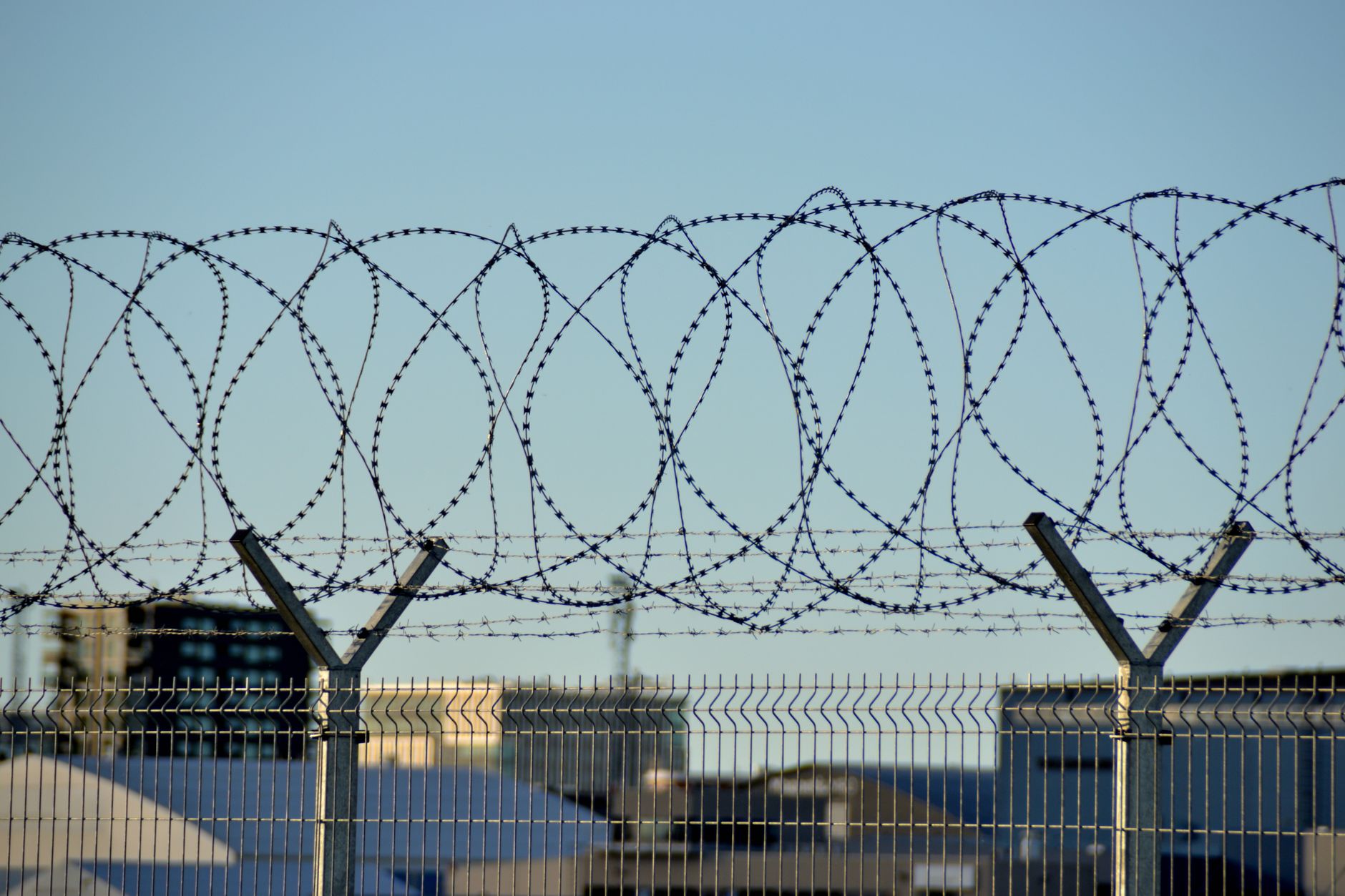
India and Bangladesh share a long, complex 4,097‑kilometre border that includes rivers, sandbars and marshes where erecting permanent fences is technically difficult or impossible. The Modi government’s fence program has reportedly completed nearly 3,000 km of physical barriers, but riverine stretches remain porous and are frequently used for migration and smuggling. Proponents inside security services view unconventional measures as a way to cover those gaps; opponents point to logistical hurdles — where would animals be sourced, how would they be contained, and who would be legally and ethically responsible?
Human, ecological and diplomatic consequences
The human impact could be immediate and severe. Many border areas are densely populated; residents rely on river fishing and agriculture. India already records tens of thousands of snakebite deaths annually — roughly 50,000 according to data cited in the reporting — and introducing or concentrating dangerous reptiles would likely increase fatal encounters. For migrants and asylum seekers, a biological deterrent would create a different kind of peril: more hazardous crossings and a higher risk of injury or death. Diplomatically, the move risks provoking Bangladesh; the two countries have disputed fencing before, and BGB protests in the past temporarily halted some works under a 1975 agreement. Using wildlife as a border-control tool would raise legal, animal‑welfare and transboundary concerns that could complicate bilateral cooperation.
What this means right now: for anyone planning or relying on cross‑border movement, the proposal signals potential escalation in deterrence tactics that may make crossings more dangerous and unpredictable. For lawyers, NGOs and policy watchers, the plan — if pursued — will prompt urgent questions about humanitarian protections, environmental law, and bilateral treaty obligations. For residents of the affected districts, the immediate concern is safety and livelihoods; for migrants, it is another incentive to take riskier, less visible routes.
Source: Original Article