
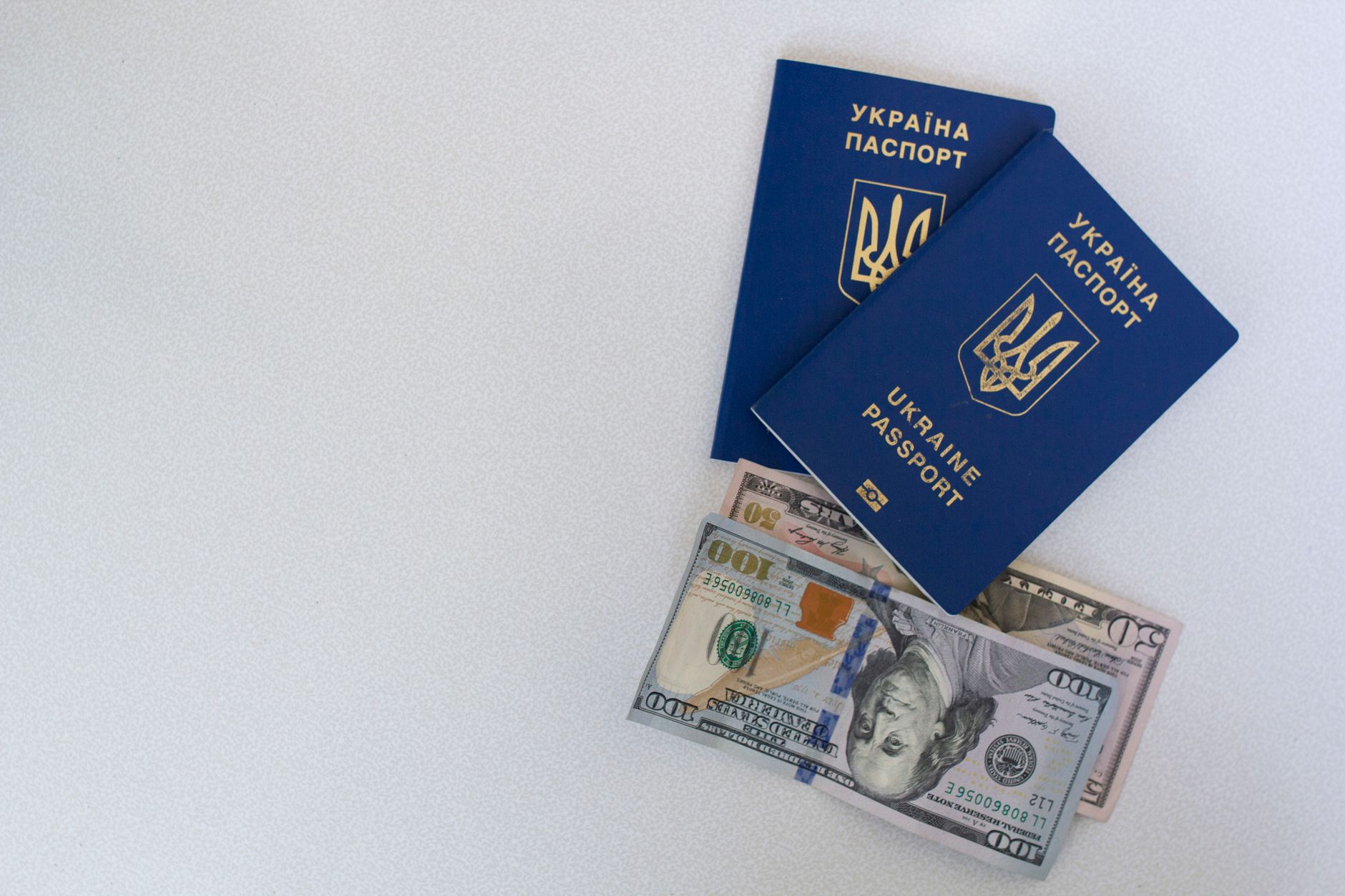
Report claims $100,000 H-1B fee; USCIS reportedly clarifies exemptions. Here’s what’s actually in force.
Key Takeaways
- It has been reported that a new $100,000 charge tied to H-1B visa filings is being discussed, with alleged exemptions clarified by USCIS.
- There is no $100,000 H-1B filing fee in effect; any such change would require formal rulemaking or legislation and publication in the Federal Register.
- Current H-1B costs remain the USCIS (U.S. Citizenship and Immigration Services) I-129 base fee, statutory surcharges, and optional premium processing.
- Certain employers—such as qualifying nonprofits and research or higher-education affiliates—are typically exempt from some existing H-1B surcharges.
- Employers and workers should rely on official USCIS notices and beware of scams referencing a “$100,000 H-1B fee.”
What’s being reported
Hong Kong–based Sing Tao has highlighted claims that a $100,000 H-1B visa fee “framework” has emerged and that USCIS has clarified which groups could be exempt. The report, circulating widely in Chinese-language media, has fueled concern among employers and foreign workers. It bears emphasizing: USCIS has not issued a public rule or policy alert imposing a $100,000 H-1B filing fee, and no such fee appears in the Federal Register. If a charge of that magnitude were real, it would require formal notice-and-comment rulemaking or congressional action—processes that generate official, publicly accessible documentation.
What’s actually in force today
For H-1B petitions, employers currently pay the USCIS Form I-129 base fee of $780 (since Apr. 1, 2024), plus statutory surcharges where applicable: the ACWIA training fee of $750 (for employers with 25 or fewer employees) or $1,500 (26+ employees); the $500 Fraud Prevention and Detection Fee for initial or change-of-employer filings; and the $4,000 “50/50” fee for certain large H‑1B‑dependent employers (more than 50 U.S. employees with over half in H‑1B/L‑1 status). USCIS also assesses the Asylum Program Fee of $600 ($300 for small employers; $0 for nonprofits) and offers optional premium processing at $2,805. The cap-registration fee increased to $215 starting with the FY 2026 cap season. None of these add up to $100,000.
Who is typically exempt from H‑1B surcharges
Under current law and policy, some employers are exempt from specific fees. For example, certain nonprofit research organizations, governmental research organizations, and institutions of higher education (and their qualifying nonprofit affiliates) are generally exempt from the ACWIA training fee and from the annual H‑1B cap. Nonprofits are also exempt from the Asylum Program Fee. These longstanding carve-outs may be what some reports reference when they mention “exempt groups,” but they do not relate to a $100,000 charge.
What this means for employers and workers now
Do not budget for or pay a $100,000 H‑1B “fee” unless and until USCIS formally announces such a requirement via the Federal Register and updates its official fee schedule. Employers should continue to follow existing H‑1B procedures, verify fees directly on uscis.gov, and be alert to scams that cite sensational new charges. If any major fee overhaul is proposed, expect a public notice, a comment period, and detailed USCIS policy guidance before implementation. Until then, the current fee framework and exemptions remain in place.
Source: Original Article