
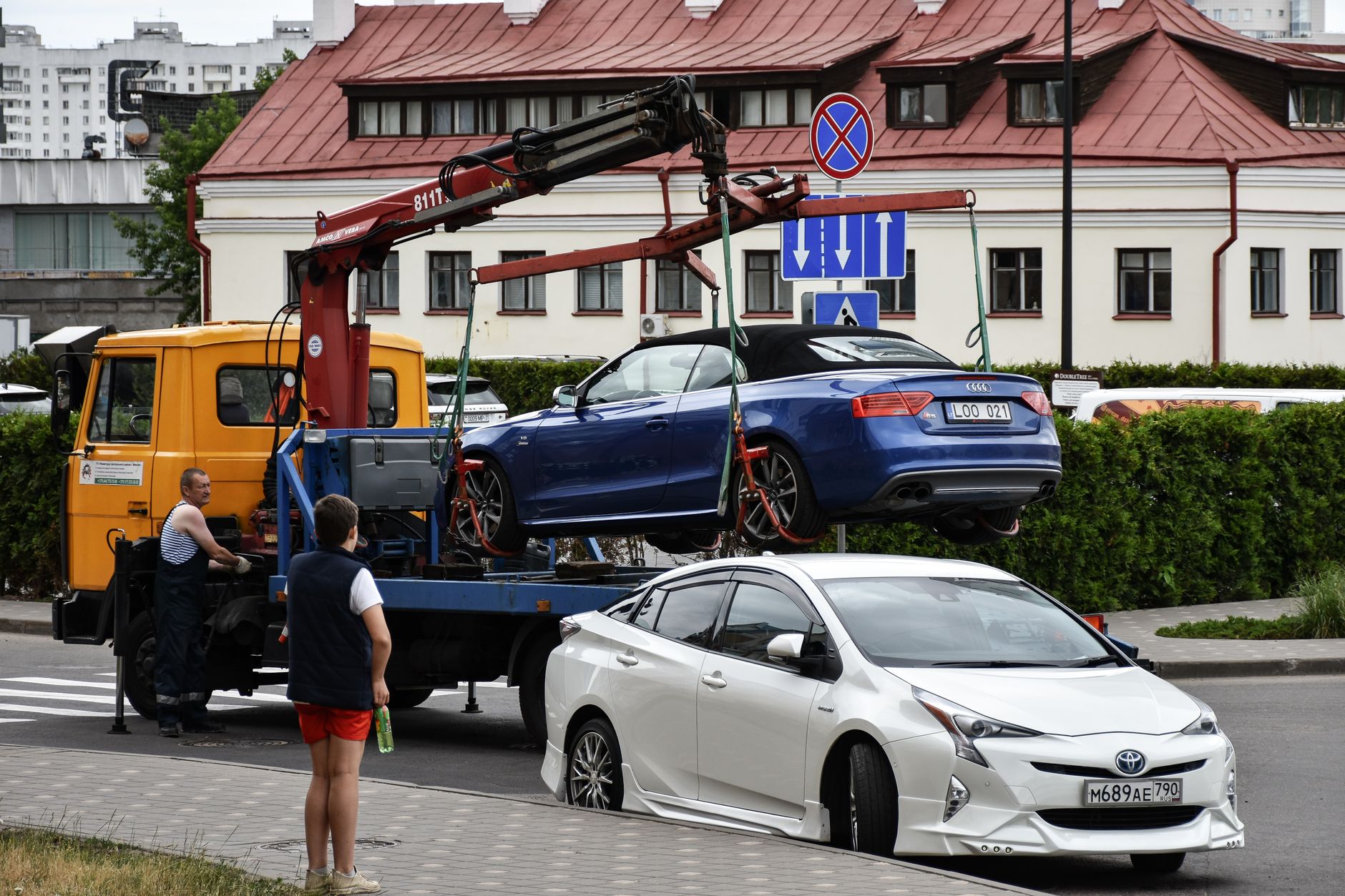
Federal Vehicles Removed Amid Intense Protests Against ICE
Key Takeaways
- Nine federal vehicles associated with Immigration and Customs Enforcement (ICE) were removed from a parking lot following protests.
- Demonstrators opposed ICE's practices and called for reform in immigration enforcement.
- The protests reflect growing public sentiment against ICE operations, particularly in immigrant communities.
- The removal of vehicles may indicate a shift in local responses to federal immigration enforcement.
- This situation raises questions about the future of ICE's presence in certain areas.
Background of the Protests
In recent weeks, protests against Immigration and Customs Enforcement (ICE) have intensified across various cities, fueled by concerns over the agency's enforcement practices and their impact on immigrant communities. The protests culminated in the removal of nine federal vehicles from a parking lot, allegedly in response to the public outcry. Activists have been vocal in their demands for immigration reform, arguing that current enforcement measures disproportionately affect vulnerable populations.
Impact on Immigrant Communities
For many immigrants and visa applicants, the presence of ICE can create an atmosphere of fear and uncertainty. The removal of ICE vehicles may provide a temporary sense of relief for individuals living in communities that have been heavily policed by federal immigration agents. However, it also raises questions about the effectiveness of local protests in shaping immigration policy and enforcement strategies. As public sentiment continues to shift, the future of ICE operations in these areas remains uncertain.
Legal and Policy Context
ICE has been a focal point of immigration policy debates, with critics arguing that its tactics often lead to family separations and community disruptions. The agency's enforcement actions have sparked legal challenges and calls for policy reforms aimed at protecting immigrant rights. The removal of federal vehicles could signal a growing resistance to ICE's presence at the local level, potentially influencing future policy discussions and enforcement priorities.
This situation serves as a reminder of the ongoing struggle faced by many individuals navigating the immigration process. As protests continue and public opinion evolves, those seeking to immigrate to the U.S. may find themselves in a changing landscape, where community advocacy could play a significant role in shaping their experiences.
Source: Original Article