
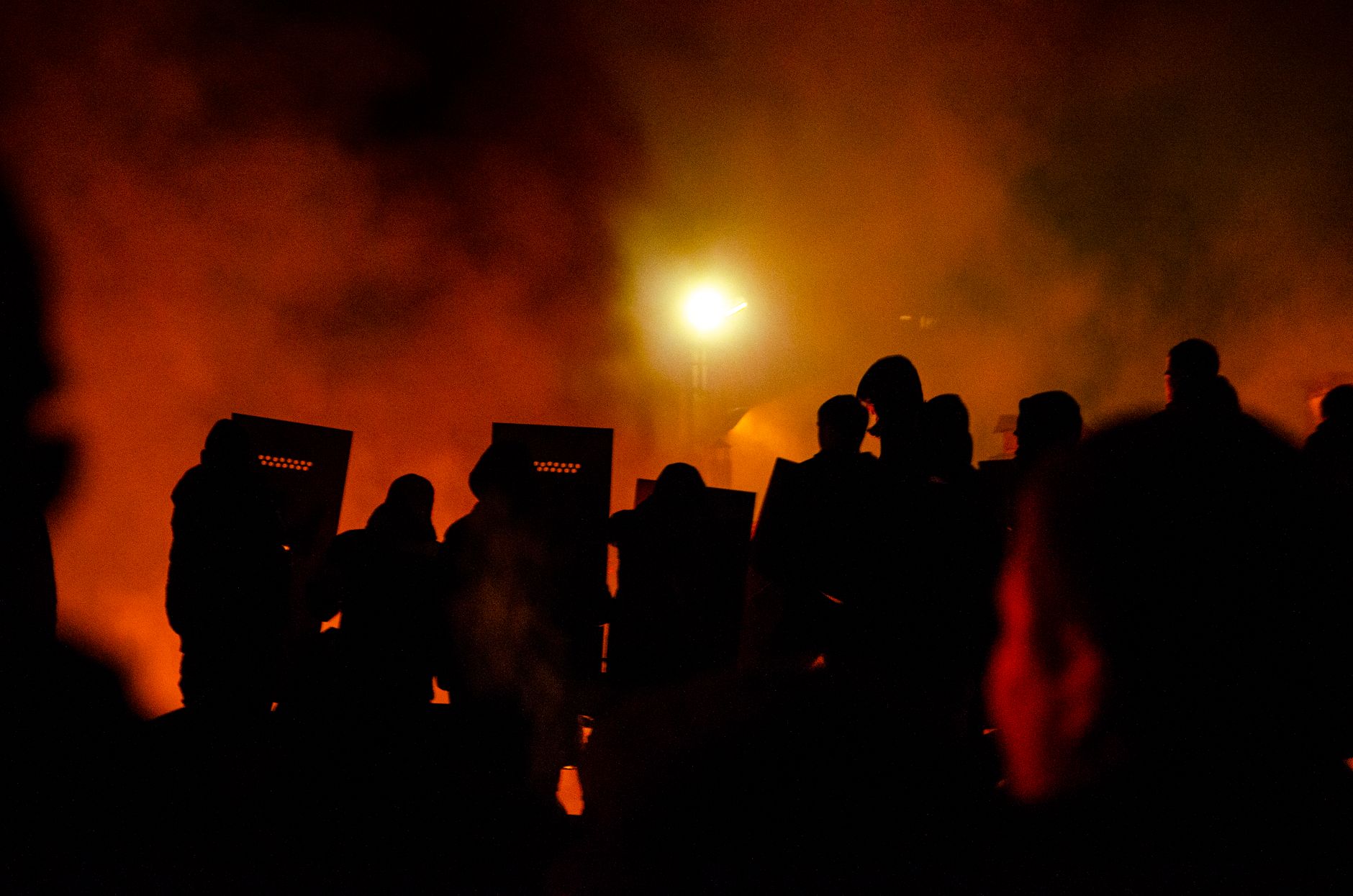
Germany's Rapid Militarization and Populism Threaten Basic Rights, Report Warns
Key Takeaways
- A new Basic Rights Report (Grundrechte-Report) warns that fast-moving militarization and rising populism are eroding civil liberties in Germany.
- The report highlights risks to freedom of assembly, privacy, and legal safeguards that protect residents and migrants.
- Migrants, asylum seekers, NGOs and journalists could face heightened surveillance, tougher border controls, and a chilling effect on civic participation.
- The warnings come amid increased defense spending and stronger political influence from right‑wing populist forces; policy responses remain uncertain.
Report findings
It has been reported that Germany’s latest Basic Rights Report — the annual assessment of civil liberties known in German as the Grundrechte-Report — flags an alarming trend: public-security measures and political rhetoric are outpacing legal safeguards. Grundrechte refers to the constitutionally protected basic rights such as freedom of expression, assembly, and privacy. The report warns that accelerating militarization, expanded emergency and security powers, and populist attacks on independent institutions are combining to weaken those protections.
What it means for migrants and civil society
For immigrants, visa applicants and asylum seekers the human effects could be concrete. BAMF (the Federal Office for Migration and Refugees) and border authorities may face pressure to tighten screening and enforcement; it has been reported that this can translate into more surveillance, quicker detentions, and tougher adjudication of asylum claims. NGOs, legal aid groups and journalists who represent or report on migrants may see a chilling effect — fewer protests, greater self‑censorship, and more difficulty operating if assembly and speech are constrained.
Policy context and next steps
The report’s warnings arrive as Germany increases defense spending and debates broader security laws. Right‑wing populist parties — notably the AfD (Alternative for Germany) — have amplified anti‑immigrant messaging, which allegedly lowers political resistance to stringent measures. What this means for someone navigating the immigration process now is pragmatic: expect possible shifts toward stricter security vetting, more politicized casework, and potentially longer processing times if administrative resources are diverted. Lawyers and advocates should monitor legislative proposals closely and be prepared to raise constitutional challenges where rights are implicated.
Source: Original Article