
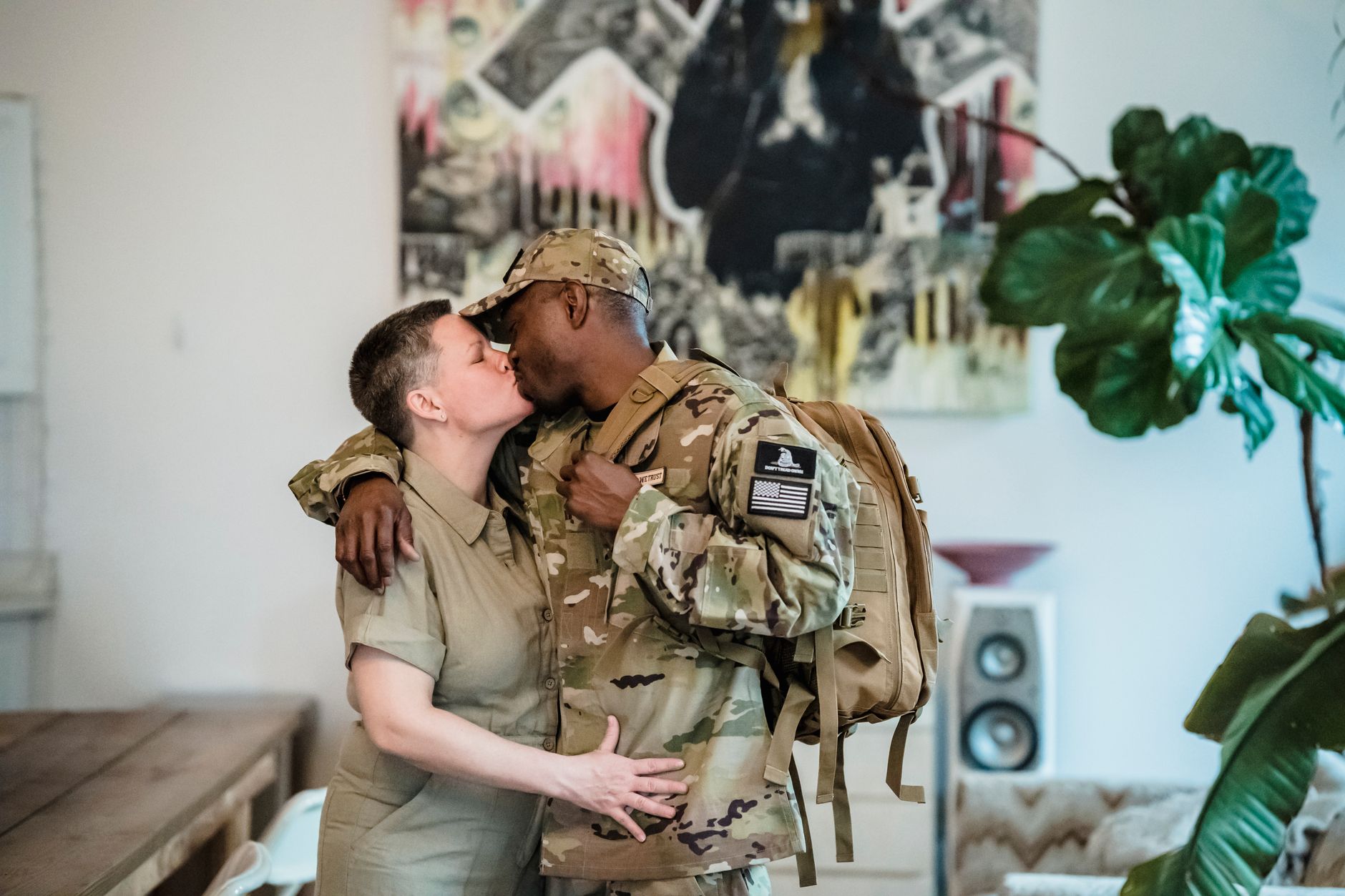
ICE releases Annie Ramos, the newly married wife of a U.S. soldier who was detained at a military base
Key Takeaways
- ICE released 22-year-old Annie Ramos after she was detained at Fort Polk, Louisiana, days after marrying a U.S. Army sergeant.
- Ramos reportedly entered the U.S. as a toddler in 2005 and has a final order of removal tied to her family’s failure to appear at a past immigration hearing.
- Advocates say the arrest, made while she tried to start military spouse benefits, reflects a broader shift in DHS/ICE enforcement toward military families.
- Release does not erase the removal order; Ramos will need legal relief (motion to reopen, parole in place, or other pathways) to obtain lawful permanent residency.
- Military families and recruits fear enforcement against spouses could harm morale and recruitment; legal counsel and rapid federal advocacy remain critical.
What happened
Annie Ramos, a 22‑year‑old college student married in March to Army Sergeant First Class Matthew Blank, was detained last week by U.S. Immigration and Customs Enforcement (ICE) after she went to Fort Polk, Louisiana, to begin the process of obtaining military spouse benefits and apply for permanent residency. She was held at a federal immigration detention center in Louisiana and, it has been reported that, was released on Tuesday. Ramos said in a statement that she is grateful to be home and plans to pursue status and continue her studies.
ICE’s action drew immediate criticism from military family advocates and some legal experts. It has been reported that the arrest came as part of a broader enforcement push by the current administration that legal observers say has reduced discretionary leniency previously shown to military families.
Legal context and what release means
According to the Department of Homeland Security (DHS), Ramos entered the United States in 2005 when she was under two years old and a judge later issued a final order of removal after her family failed to appear at a hearing. A final order of removal is a significant legal hurdle: absent reopening or relief, it authorizes deportation and can block standard adjustment-of-status routes. USCIS (U.S. Citizenship and Immigration Services) processes petitions such as the I‑130 immigrant petition for an alien relative, but an approved I‑130 by itself will not stop removal if the underlying order is final.
Options sometimes used by military families include parole in place (PIP) — a DHS discretionary policy that can allow certain spouses and parents of service members to remain and apply for adjustment — motions to reopen a removal order, requests for prosecutorial discretion or stays of removal, and waivers where applicable. These are discretionary and fact‑specific. Anyone in Ramos’s situation should seek experienced immigration counsel immediately; contacting military legal assistance and congressional offices can also help with urgent advocacy.
Human impact and broader implications
Beyond legal technicalities, the case underscores immediate human consequences: a newlywed couple separated during the start of a military career, a student whose education and life plans were disrupted, and families worried about similar treatment. Advocates warn that detaining or deporting military spouses could have recruitment and retention implications for the armed forces. For people currently navigating the immigration system, this episode reinforces that visits to military bases or attempts to access benefits can expose individuals to enforcement, and that careful legal planning and rapid representation are essential.
Source: Original Article